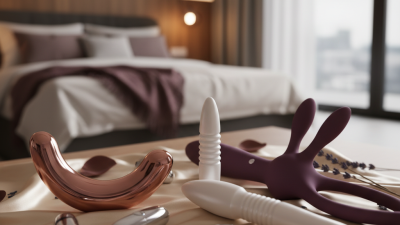
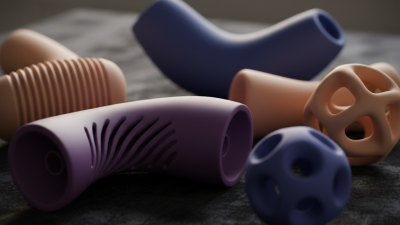
Prostate Massager Toys are designed to reach and gently stimulate the prostate, a small gland located below the bladder. Their curved shape usually follows the body’s anatomy. Many models also include a wider base for safer handling and removal. Some feature vibration, while others rely on controlled movement and pressure.
Dr. Evan Goldstein, a board-certified sexual-health surgeon, emphasizes, “Comfort and communication should guide every step.” That principle matters here. The prostate can feel highly sensitive, but responses differ from person to person. A sensation that feels pleasant for one user may feel uncomfortable for another. Slow movements, adequate lubrication, and relaxed muscles can make the experience more manageable. Never force insertion. Stop when pain, bleeding, numbness, or unusual discomfort appears.
This article explains how Prostate Massager Toys work, what their shapes and features are intended to do, and how users can approach them responsibly. It also considers hygiene, material quality, and realistic expectations. These products do not guarantee pleasure, prostate health, or sexual performance. That is an important limitation.
The topic can sound simple. It is not always simple.
Personal experience may vary, and product marketing can exaggerate results. Reliable guidance should therefore combine body awareness, accurate anatomy, and basic safety practices. Readers with prostate conditions, rectal pain, recent surgery, or unexplained bleeding should seek advice from a qualified healthcare professional before use. Good information leaves room for caution, uncertainty, and honest reflection.
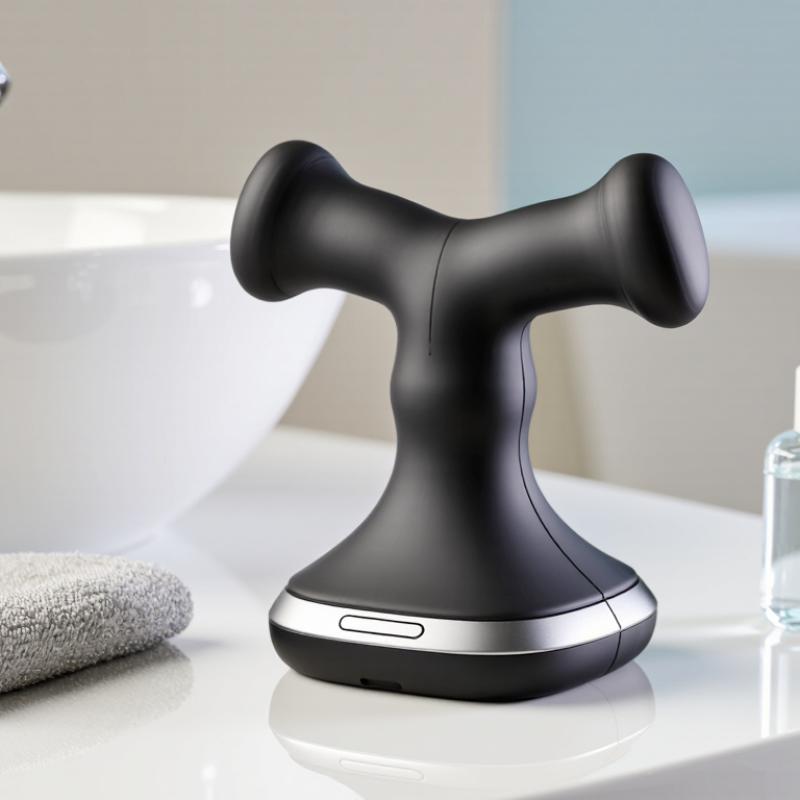
Prostate massager toys are insertable sexual-wellness devices designed to apply gentle pressure around the prostate, a small gland located below the bladder. Their purpose is usually pleasure, body awareness, and controlled stimulation—not medical treatment.
The prostate can feel sensitive because it sits near the front wall of the rectum. A curved shape may help users reach this area without force. However, the word “massager” can sound more medical than it is.
These products should not be presented as cures for prostatitis, erectile problems, or urinary conditions.
Market data shows growing interest in sexual-wellness products. Grand View Research estimated the broader global sexual-wellness market at about US$54.6 billion in 2022.
That figure includes many categories, so it should not be misread as direct clinical evidence. Medical guidance remains important.
Pain, bleeding, fever, or persistent urinary symptoms require professional assessment. Personal experience can be useful, but it is not a diagnosis.
Tips:
Choose a smooth, body-safe, nonporous product with a wide flared base. Use generous water-based lubricant and proceed slowly.
Clean the toy before and after use according to its material instructions. Stop immediately if discomfort becomes sharp or continues.
People with rectal injuries, active hemorrhoids, recent surgery, or blood-clotting concerns should ask a qualified clinician first.
A better safety habit is simple: never treat pleasure as proof of medical benefit.
Prostate massager toys are designed to contact the prostate through the rectal wall. The prostate sits below the bladder and surrounds part of the urethra. NIDDK describes it as roughly walnut-sized, although volume increases with age. Clinical references commonly place a younger adult prostate near 20–30 milliliters. Its position matters. The front rectal wall lies closest to it.
A massager usually has a rounded, gently curved tip. That shape may press against the prostate’s anterior surface. Some devices add vibration, which stimulates nearby sensory nerves. Pressure can feel like fullness, warmth, or an urge to urinate. During orgasm, prostate contractions may contribute to semen movement. Responses vary widely. Stronger pressure is not automatically better.
The evidence is thinner than product marketing suggests. A review in Sexual Medicine Reviews reported limited clinical research on prostate stimulation for general health benefits. Therefore, pleasure should not be presented as treatment. Use generous body-safe lubricant and move slowly. Stop with sharp pain, persistent discomfort, or bleeding. Avoid use during active hemorrhoids, anal fissures, rectal infection, or recovery from pelvic surgery. People taking blood-thinning medication should ask a clinician first. A shorter session may be wiser than an ambitious one. Anatomy explains the sensation, but it cannot predict every body’s response.
Prostate massager toys are curved, smooth devices designed to apply gentle pressure to the prostate through the rectum. The prostate is located below the bladder and in front of the rectal wall, where it can be reached indirectly. Stimulation may create pressure or pleasurable sensations, but individual anatomy and sensitivity vary.
The chart shows commonly cited approximate adult prostate dimensions: about 2 cm in anteroposterior depth, 3 cm in length, and 4 cm in width. These values are reference estimates rather than measurements for any individual. Use adequate lubrication, proceed slowly, and stop if there is pain or bleeding.
Prostate massager toys are shaped for internal, targeted stimulation near the prostate, a gland located below the bladder. Their curved shafts follow the body’s natural anatomy, while rounded tips apply gentle pressure through the rectal wall. Common designs include compact handles, flared bases, flexible necks, and vibration settings. A flared base is essential because it helps prevent the toy from moving fully inside the body. Small details matter.
Materials vary considerably. Body-safe silicone is soft, non-porous, and easy to clean when properly manufactured. ABS plastic can provide a firmer feel, while stainless steel and borosilicate glass offer weight and precise control. TPE may feel softer, but its porous structure can retain microorganisms. Users should check material disclosures rather than trust vague “premium” wording. The Global Wellness Institute valued the sexual wellness market at approximately $91 billion in 2022, while Grand View Research estimated the global sex toys market at over $35 billion in 2023. These figures show growing demand, but they do not prove every product is safe.
Features can include waterproof construction, rechargeable batteries, multiple vibration patterns, and remote controls. Waterproof does not always mean fully submersible, so instructions deserve attention. Use generous water-based lubricant, clean the toy before and after use, and stop when pain appears. A recent design may look impressive yet feel uncomfortable in practice. That is worth acknowledging. Personal anatomy, relaxation, and gradual movement influence results more than advertising claims.
Prostate massager toys are adult devices shaped for controlled, internal stimulation of the prostate. The prostate sits below the bladder, near the front wall of the rectum. Gentle pressure there may create a distinct sensation, but experiences vary widely. Grand View Research estimated the global sexual wellness market at about USD 35 billion in 2022, showing growing interest in sexual health products. However, market growth does not prove medical effectiveness. Evidence about prostate massage toys remains limited.
How prostate massager toys are used matters more than their appearance. Wash the device before and after use. Trimmed nails, clean hands, and generous water-based lubricant reduce friction. Begin slowly, while relaxed, and never force insertion. A flared base is essential because it helps prevent the device from moving fully inside the body. Stop immediately if sharp pain, bleeding, dizziness, or persistent discomfort occurs. Do not use a toy during active rectal injury, infection, or unexplained pelvic pain. A healthcare professional should assess those symptoms.
Tips: Choose a smooth, body-safe material and a manageable size. Use only external controls when possible. Avoid numbing products because they can hide injury. The U.S. Consumer Product Safety Commission has repeatedly emphasized checking adult products for breakage and unsafe materials. That advice is easy to overlook. Clean technique is not glamorous, but it matters. Shared use also requires a new condom over the device or thorough cleaning. Even careful use is not risk-free.
What Are Prostate Massager Toys and How Do They Work?
Prostate massager toys are curved devices designed to apply gentle pressure near the prostate. Most include a flared base to reduce the risk of slipping inside the rectum. Some models also provide vibration. Safety starts with material choice. Smooth, nonporous silicone, stainless steel, or glass is usually easier to clean. Inspect the surface every time. Tiny cracks can trap bacteria. Never use a device without a secure stopping base.
Hygiene matters more than marketing claims. The CDC’s 2022 STI Surveillance Report recorded over 2.5 million reported chlamydia, gonorrhea, and syphilis cases in the United States. That figure does not prove that prostate toys cause infections. It does show why shared, poorly cleaned intimate items deserve caution. Wash the toy before and after use, following its care instructions. The FDA’s reprocessing guidance stresses cleaning before disinfection, although that guidance applies to medical devices, not consumer toys. Dry the toy completely. Avoid harsh household chemicals.
Use sufficient lubricant, and check material compatibility. Water-based lubricant is widely compatible. Silicone lubricant may damage some silicone surfaces. Stop immediately if sharp pain, dizziness, or bleeding occurs. Persistent bleeding needs medical attention. People with anal fissures, active hemorrhoids, recent rectal surgery, or unexplained pelvic pain should ask a qualified clinician first. I would not assume “body-safe” means risk-free. Product labels can be vague, and personal anatomy varies. That uncertainty deserves honest attention.
| Topic | Evidence-Based Information | Practical Consideration |
|---|---|---|
| What they are | Prostate massagers are insertable sexual wellness devices designed to apply gentle pressure or vibration near the prostate, a gland located below the bladder and in front of the rectum. | They are intended for personal pleasure and should not be treated as a diagnostic or medical treatment device. |
| How they work | When inserted carefully into the rectum, the curved or angled portion may contact the front wall of the rectum, where the prostate can sometimes be reached. Vibration may add sensory stimulation. | Anatomy and sensitivity differ. Pressure should remain gentle, and discomfort is a reason to stop. |
| Common design features | Many devices include a flared base, handle, or retrieval feature to help prevent the toy from moving fully inside the rectum. Some have vibration settings or adjustable angles. | Do not use an insertable toy without a securely attached, sufficiently wide stopper or retrieval base. |
| Materials | Non-porous materials such as medical-grade silicone, borosilicate glass, and stainless steel are generally easier to clean than porous materials. | Check the manufacturer’s material and care information. Avoid damaged, cracked, peeling, or visibly degraded surfaces. |
| Lubrication | The rectum does not produce natural lubrication in the same way as the vagina. Adequate lubricant can reduce friction and small tears. | Use a generous amount of body-safe lubricant. Water-based lubricant is broadly compatible; verify compatibility before using silicone-based lubricant with silicone toys. |
| Hygiene before use | Wash the toy according to its care instructions before first use and before each subsequent use. Clean hands and trimmed, smooth fingernails can also reduce irritation. | Use mild, unscented soap and warm water when permitted. Keep water away from charging ports and non-waterproof components. |
| Condom use | A new condom over the toy can simplify cleanup and reduce transfer of microorganisms, especially when sharing or moving between body areas. | Change the condom before switching from anal use to vaginal or oral use. Never reuse a condom. |
| Insertion technique | Relaxation, gradual insertion, communication, and slow movement can help reduce discomfort. Sharp pain, bleeding, or resistance should not be ignored. | Never force the toy or use numbing products that could mask pain and injury. |
| Cleaning after use | Clean the entire external surface, including grooves and seams. Dry completely before storage to discourage microbial growth. | Store the toy separately in a clean, dry pouch or container and follow any temperature or cleaning limits provided with the product. |
| Potential risks | Possible problems include irritation, small tears, bleeding, infection, allergic reactions, and a toy becoming difficult to remove. Excessive force or prolonged use may increase risk. | Use only when comfortable, inspect the toy before use, and stop if pain, numbness, dizziness, or significant bleeding occurs. |
| When to avoid use | Extra caution or medical advice may be appropriate with active hemorrhoids, anal fissures, rectal bleeding, recent anorectal surgery, unexplained pelvic pain, or conditions affecting sensation or healing. | People taking anticoagulants or those with bleeding, immune, or healing disorders should consult a qualified healthcare professional before use. |
| Sexually transmitted infections | Sharing an insertable toy can transfer blood, skin, or rectal microorganisms, including sexually transmitted infections. | Use a new condom for each person and clean the toy between users; do not share a toy when sores or unexplained symptoms are present. |
| Warning signs after use | Persistent or severe pain, heavy or ongoing bleeding, fever, abdominal swelling, vomiting, inability to remove the toy, or trouble passing stool requires prompt medical attention. | Seek urgent care if symptoms are severe or if an object remains stuck. Do not attempt removal with tools or another object. |
| Medical evidence | Pleasure and personal preferences vary, and these toys are not proven to prevent, diagnose, or cure prostate disease. Prostate symptoms should be evaluated by a healthcare professional. | Do not delay care for urinary changes, blood in urine or semen, persistent pelvic pain, fever, or other concerning symptoms. |
General information only; it does not replace individualized advice from a qualified healthcare professional.